


Monster Fishing 2026
4.59.01K Reviews
App Specs
- Version
- 0.4.76
- Updated On
- License
- Free
- Downloads
- 10,000,000+
- Developer
- Nexelon inc.
- Categories
- Sports
- Platform
- Android
Screenshots
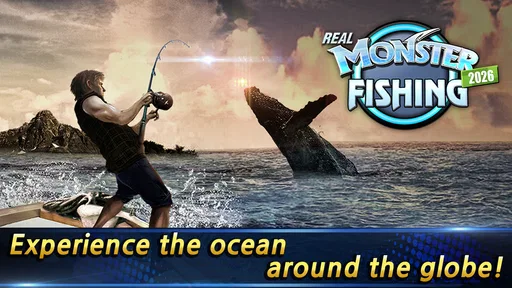
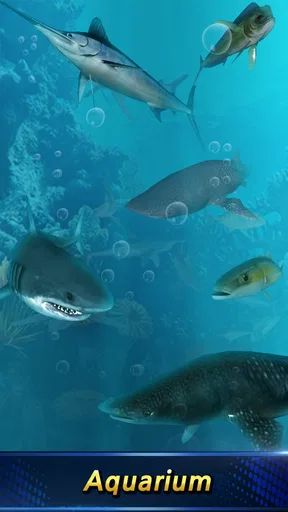
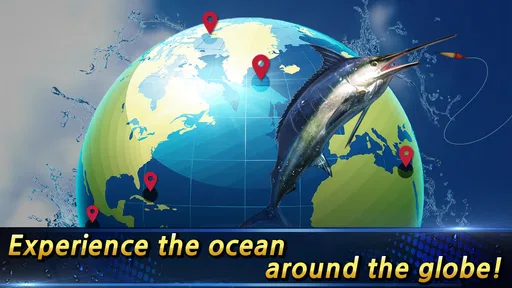
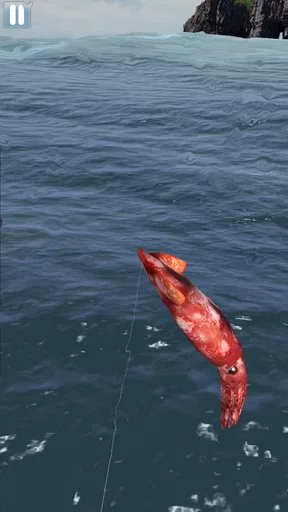
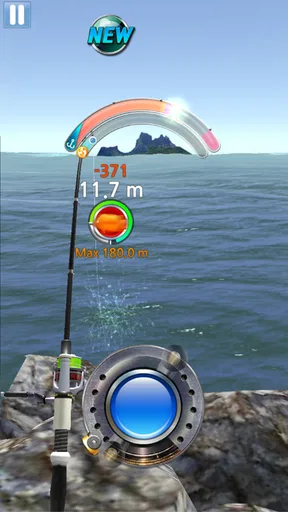
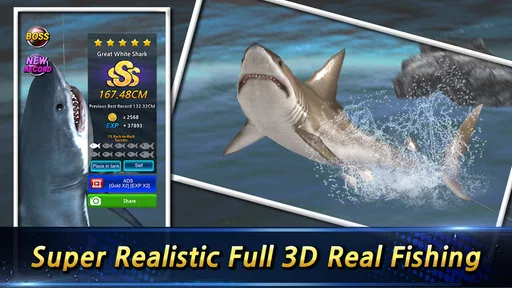
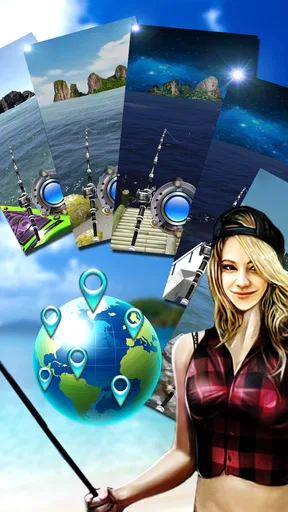
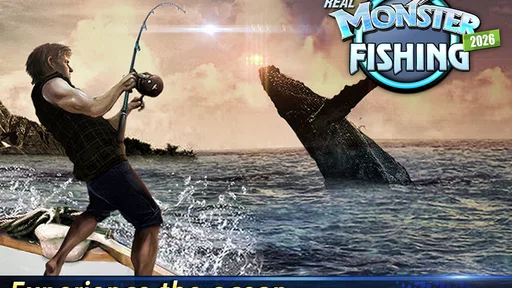
 Analysis by AppCompare
I approached Monster Fishing 2026 as a quick, touch-friendly sports game rather than a serious fishing simulator, and that distinction matters. It is a free fishing game from Nexelon inc. built around three-dimensional presentation and offline play. After spending time with it, I found its strongest appeal in short sessions: it is easy to open, easy to understand, and satisfying when I want a little tension without committing to a long online match.
The game has also reached a substantial audience, with an average rating of 4.5 from around 168 thousand ratings and more than 10 million installs. Those figures do not automatically make it the right choice for everyone, but they do suggest that its simple fishing loop has broad appeal. I would especially point it toward players who want a casual sports game that works without an internet connection, while warning simulation fans that the experience is more accessible than deeply technical.
What I looked for before recommending it
My first decision criterion was convenience. A fishing game can be relaxing, but it loses that quality if every session depends on a connection, a large download, or a complicated setup. This title’s offline focus makes it useful for travel, waiting rooms, commutes, and places where mobile service is unreliable. I could treat it as a self-contained pastime instead of another game that constantly asks me to stay connected.
The second criterion was how much control the fishing actually gives me. A good casual fishing game should not bury the basic action under menus, yet it should offer enough timing and tension to make a catch feel earned. Here, the three-dimensional presentation helps the moment-to-moment action feel more involving than a flat menu-driven fishing title. The important question is not whether it reproduces every detail of real angling, but whether its touch controls give me a reason to pay attention.
I also considered the pace of progression. This is the kind of game I would play in small bursts, so I wanted activities that make sense when I have only a few minutes. At the same time, anyone choosing a fishing game for long, thoughtful sessions should ask whether a streamlined mobile loop will hold attention. My experience is that this game is at its best when I accept it as a compact arcade-leaning sports game, not as a complete replacement for a dedicated console or PC simulation.
Finally, I looked at the practical cost. The game is free to download and rated Everyone, which makes it approachable for a wide household audience. It includes optional in-app purchases ranging from $1.49 to $43.99 per item. That range is worth keeping in mind before handing the phone to a child or treating the game as entirely cost-free. I would begin without spending, learn how the normal progression feels, and only then decide whether any purchase genuinely improves my enjoyment.
The first sessions are easy to understand
One of the better choices here is the low barrier to entry. I do not need prior knowledge of fishing terminology to begin enjoying the basic loop. The visual feedback makes the action readable, and the three-dimensional viewpoint gives catches a sense of presence that a purely text-based or menu-based game would lack. This is useful when I want to hand the phone to someone who does not regularly play games.
Worth Reading Before You Choose

EA SPORTS FC Mobile 26 Is a Bigger Football Game, but It Takes Time

Flipboard Shows What News Apps Must Do Beyond the Feed

Switching to Android Auto Means Rethinking Your Driving Routine

Google Calendar Makes a Crowded Week Easier to Manage

Ludo King Makes the Most of the Minutes Between Plans

Baby Panda World Brings Quick Play to Modern Phones, but Its Game Library Feels Busy
That simplicity is not the same as emptiness. The appeal comes from watching a promising moment develop and responding at the right time rather than merely tapping through a result screen. I found that the game works best when I stop trying to rush every action. A calmer rhythm helps me notice what is happening on screen and makes successful catches feel more deliberate.
There is also a practical advantage to playing in short bursts. I can use it as a five-minute distraction while waiting for an appointment, then put it away without feeling that I abandoned a complicated campaign. In a longer session, the repeated structure becomes more noticeable, so I would vary my play time rather than expecting it to provide endless novelty in one sitting.
Why the offline design changes its usefulness
The no-connection requirement is one of the most meaningful strengths, not just a line in the description. Many modern mobile games are built around online events, account checks, advertisements that need to load, or competitive systems that make a poor fit for airplane mode. This title is more flexible in everyday use because I can start it in situations where other games may be unavailable.
That makes it a sensible travel companion. On a train, I might play a few rounds while moving through a weak-signal area. During a flight, it can fill the space between reading and resting without asking me to prepare a hotspot. At home, offline access also means I can play without giving the game a place in my social schedule. I do not have to coordinate with friends or wait for a particular event to make the session worthwhile.
The trade-off is that offline play naturally limits the kind of experience the game can offer. Players looking for live competition, shared fishing trips, or constantly changing online activities should not choose it for those reasons. Its independence is valuable precisely because it focuses on solo convenience, not because it tries to imitate a connected multiplayer platform.
Where the three-dimensional presentation helps
The 3D presentation gives the game its most immediate personality. Fishing can easily become visually static when the player only watches a meter or presses a button, so the sense of depth helps the catch feel like an event. I noticed that this matters most during the moment of uncertainty: when I am waiting to see whether my response will turn a bite into a successful landing.
It also makes the game friendlier for casual players. Someone who does not understand detailed fishing mechanics can still follow the action visually. That clarity is more useful than a long tutorial would be, especially on a phone where screen space is limited. I prefer learning through a few readable interactions over being presented with a dense collection of technical controls.
Still, visual realism should not be confused with full simulation depth. The game looks more substantial than an extremely basic fishing toy, but my enjoyment depends on accepting its simplified structure. If I wanted to study real tackle choices, weather behavior, or the patient planning associated with actual angling, I would look elsewhere. Here, the 3D style supports the fun; it does not turn the game into a detailed training tool.
Three useful habits that improved my sessions
My first useful habit was to play with a clear time limit. Because the basic action is easy to repeat, it is tempting to continue automatically even after the session stops feeling fresh. Setting aside a short window keeps the game in its strongest territory and makes it easier to appreciate a successful catch instead of grinding through tired repetitions.
Second, I learned not to judge the game during the first few minutes alone. The opening impression is straightforward, but the real question is whether I enjoy responding to the fishing action repeatedly. I recommend trying it in two different situations: once as a quick distraction and once during a longer quiet break. That reveals whether its rhythm suits you or whether you need a more elaborate simulation.
Third, I would avoid making an immediate purchase. The free entry point is enough to discover whether the visuals and touch interaction appeal to you. Since individual in-app purchases can reach $43.99, I think the sensible workflow is to play naturally first, identify the exact point of friction, and only consider spending if the purchase addresses a problem you actually have. This is especially important for families using a shared device.
Who gets the most from it
I think the best audience is someone who enjoys sports games but does not want the intensity of a competitive match. It suits players who like a clear objective, visual feedback, and a relaxing theme. It is also a good fit for people who regularly play in places without reliable internet. The Everyone rating makes it easier to recommend across ages, although adults should still supervise spending if children can access the purchase options.
It can also work for a player who normally avoids fishing games because they seem slow or overly technical. The accessible structure gives newcomers a way to test the genre without learning a large rule set. If the person enjoys the feeling of timing a catch but does not care about recreating every detail of real fishing, this is a comfortable starting point.
I would be more cautious about recommending it to dedicated simulation fans. If your ideal fishing game involves careful equipment management, realistic environmental variables, or a highly detailed long-term career, the streamlined approach may feel shallow. Likewise, players who need constant social interaction or competitive ranking should choose a connected alternative designed around those features instead.
How it compares with other fishing choices
Compared with a simple arcade fishing game, this title has a stronger sense of place because of its three-dimensional presentation. It asks me to pay attention to the catch rather than treating fishing as a single instant button press. The benefit is greater involvement; the cost is that repeated sessions can still reveal the limits of a compact mobile loop.
Compared with a serious fishing simulator, it is easier to start and less demanding to maintain. I do not need to reserve a long evening or learn a complex system before I can enjoy a session. That makes it better for casual use, but the same accessibility means it may not satisfy someone who wants every decision to carry realistic consequences. In that comparison, choosing this game is a decision to value convenience over exhaustive authenticity.
Compared with online fishing games, its offline design is a major advantage when connectivity is uncertain. I can play without planning around other people or a live service. The downside is that players who enjoy shared events and changing online activity will find a different kind of value in connected alternatives. Neither approach is universally better; the right choice depends on whether independence or social variety matters more to you.
Compared with a traditional console sports game, this is easier to pick up on a phone and better suited to fragmented time. A console title may offer more elaborate presentation or depth, but it also asks for a more intentional play session. I would choose this one for portability and quick access, not because it replaces a larger fishing adventure in every respect.
Small points of friction worth knowing
The biggest limitation for me is repetition. The central pleasure comes from the fishing interaction, so players who need a constantly changing structure may eventually want more variety than this format provides. I would not call that a flaw in the basic design, but it does define the game’s audience. It is a title to return to casually, not necessarily a game I would make my only long-term hobby.
The free-to-play model also requires awareness. The game costs nothing to start, which lowers the risk of trying it, but the presence of purchases changes how I would manage it on a family device. I prefer to decide on a spending boundary before playing rather than making a decision during a frustrating or exciting moment. That simple rule keeps the free version useful without allowing convenience to dictate the budget.
Another consideration is expectation. The name suggests a large, dramatic fishing experience, while the practical appeal is more about accessible mobile sessions. If I arrive expecting a fully realistic angling simulator, I may focus on what is missing. If I arrive wanting a polished, offline sports distraction with a fishing theme, the design makes much more sense.
Is it worth installing?
The current version is 0.4.76 and supports devices running Android 7.0 or later. That makes it relevant to people using older compatible Android phones, although the 3D presentation means I would still keep reasonable expectations about performance on aging hardware. I would close other demanding apps before a longer session if the phone tends to slow down, simply because a clean device usually makes touch timing more comfortable.
Its release on December 28, 2017, also helps explain why the game feels established rather than experimental. Nexelon inc. has had time to build an audience around this particular idea, and the large install base shows that it has remained discoverable. I would not use its age as a reason to dismiss it: for an offline game, a stable, familiar structure can be more valuable than a constant stream of new systems.
My recommendation is clear: install it if you want a free, offline fishing game with approachable three-dimensional action and sessions that fit around daily life. Try it first without spending, especially if you are unsure whether the repeated loop will hold your attention. I would skip it in favor of a deeper simulator if realism is your main requirement, or choose an online alternative if social play is essential.
For me, the deciding strength is the combination of accessibility and independence. I can play it during a disconnected moment, understand what I am doing quickly, and enjoy a small sense of achievement without preparing a full gaming session. It is best viewed as a convenient casual fishing game, not as a complete simulation of the sport. With that expectation, it is an easy recommendation for short offline entertainment.
Pros
- Simple controls make casting and reeling easy for beginners.
- Many fish species give each location a distinct challenge.
- Short fishing sessions work well for playing on the go.
- Equipment upgrades add a satisfying sense of progression.
- Bright visuals make the underwater catches easy to follow.
Cons
- Energy or time limits may interrupt longer fishing sessions.
- Some upgrades can require considerable grinding to unlock.
- Random fish encounters may make progress feel inconsistent.
- The game can become repetitive after completing familiar locations.
- Ads or optional purchases may affect the overall free experience.
FAQs for Monster Fishing 2026
What is Monster Fishing 2026, and what can I expect from the gameplay?
Monster Fishing 2026 is a mobile fishing game focused on catching large and unusual fish in a variety of locations. From my experience, the gameplay combines casting, timing, equipment upgrades, and fish battles rather than simply tapping to collect catches. Players can explore different fishing spots, improve their rods and tackle, and work toward landing increasingly powerful species. It is a good choice for users who enjoy casual progression with a fishing theme.
Is Monster Fishing 2026 free to download and play?
Monster Fishing 2026 is generally available as a free download, but players should expect optional in-app purchases. These may be used to obtain premium currency, speed up upgrades, acquire better equipment, or receive other useful items. The game can usually be played without spending money, although progression may feel slower at later stages. Before downloading, it is worth checking the current store listing for pricing, advertisements, age rating, and any purchase restrictions.
Does Monster Fishing 2026 require an internet connection?
An internet connection may be required for some features, particularly when the game verifies progress, displays advertisements, synchronizes account data, or connects to online events and rankings. Basic fishing activities may work in limited offline situations, but this can depend on the version installed and the device being used. If you plan to play while traveling or without mobile data, test the game beforehand because offline availability and functionality can change after updates.
Is Monster Fishing 2026 suitable for children and casual players?
Monster Fishing 2026 is relatively easy to understand, making it accessible to casual players who may not have much experience with fishing games. However, parents should review the app-store age rating and the game’s content before allowing children to play. Advertisements, optional purchases, timers, and reward systems can all influence the experience. If children use the app, enabling parental controls and purchase restrictions is recommended to prevent accidental spending.
What are the main advantages and disadvantages of Monster Fishing 2026?
The main advantages are its straightforward controls, relaxing fishing theme, collection-based progression, and the satisfaction of upgrading equipment to target larger catches. It can provide short play sessions while also offering longer-term goals for dedicated players. On the other hand, progress may become repetitive, and some upgrades or rewards can be connected to advertising or in-app purchases. Device performance, loading times, and the amount of available content may also vary depending on updates.


